


Servicing an electric car: less to do, still worth doing

An electric car removes most of the service schedule and leaves a short list that matters more, not less, because a heavy car is hard on the parts that remain.
Here is what that means in practice:
1. Brakes that barely get used
Regenerative braking means the pads do very little work, and pads that do no work seize and corrode. We strip, clean and grease the sliders rather than wait for a caliper to stick.
2. Tyres that wear faster
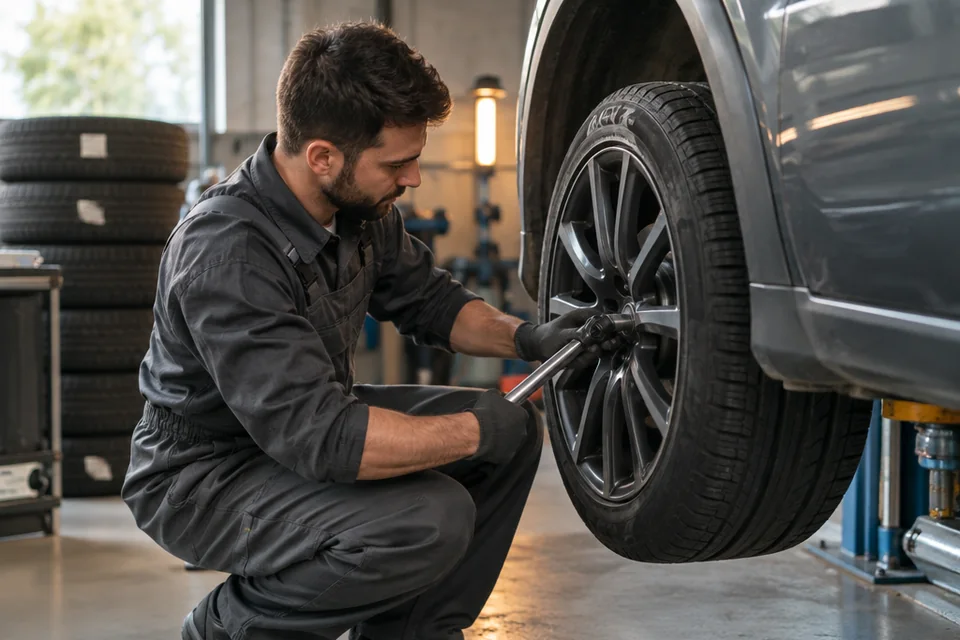
Batteries are heavy and electric motors deliver their pull instantly. Expect to replace tyres sooner than on the petrol car you traded, and expect alignment to matter more.
3. Battery and motor coolant
There is still a cooling system, it just cools a battery instead of an engine. The fluid has a service life and a check for it.
4. Cabin filter, wipers, software
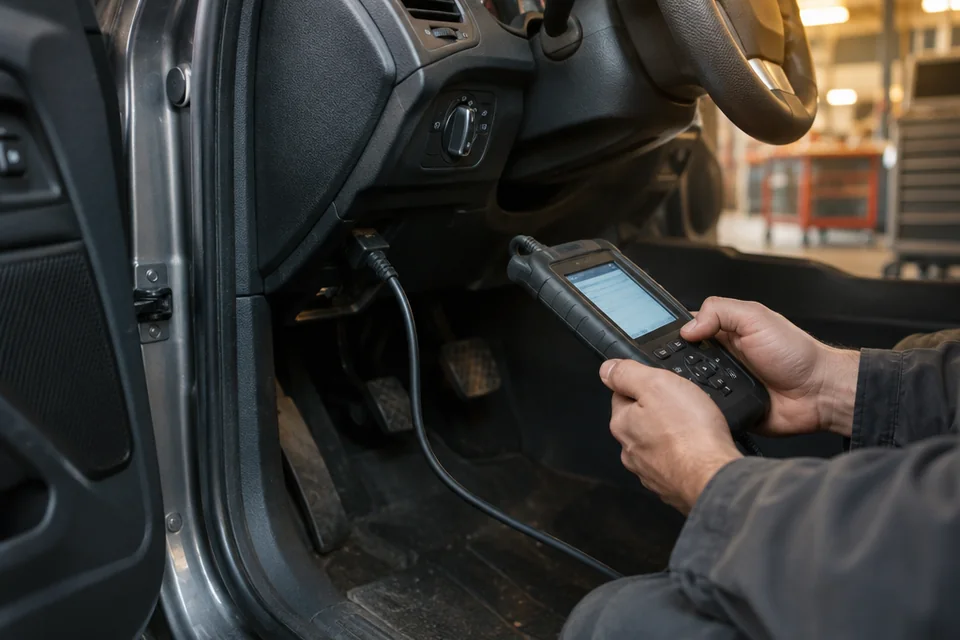
The unglamorous list. We change what needs changing and tell you if a manufacturer recall or update applies to your car.
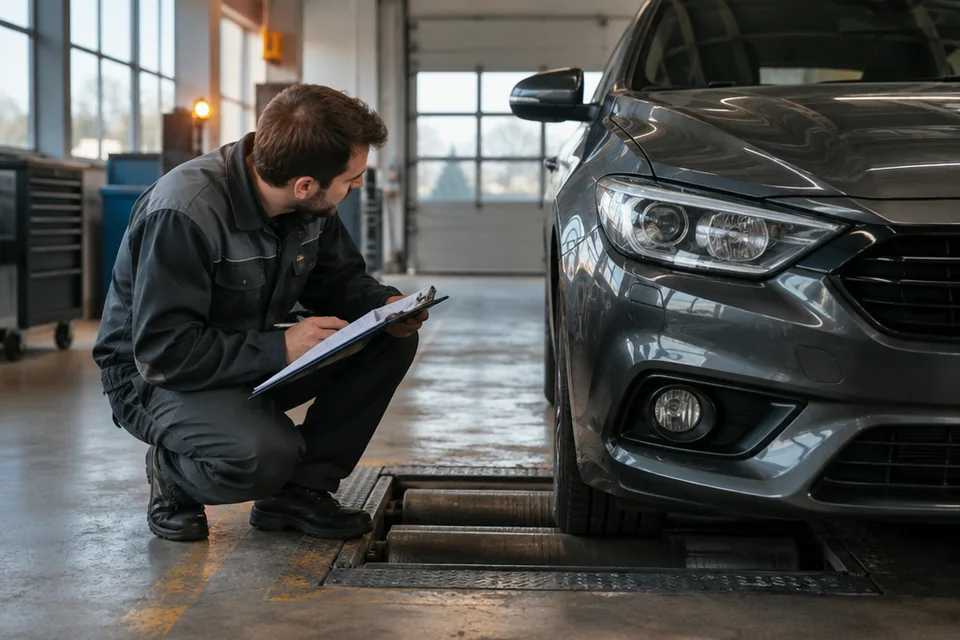
We service hybrids and electric cars on the same ramps as everything else. Bring the charge cable if you want the charging side checked too.

More from the workshop